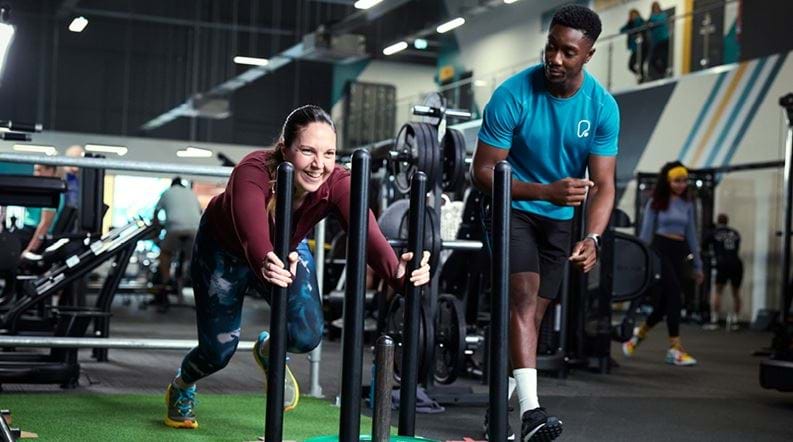

The global fitness landscape has undergone a profound shift over the past several years. For decades, the dominant approach to exercise was defined by extremes. Mainstream fitness culture pushed an ethos of sheer exhaustion, measuring the success of a workout solely by how much sweat pooled on the floor, how sore the muscles felt the next day, or how rapidly the bathroom scale shifted. High-intensity boot camps, grueling calendar challenges, and rigid aesthetic standards convinced generations of trainees that suffering was the only reliable path to physical improvement.
Today, that punitive framework is giving way to a more sophisticated, evidence-based philosophy. The contemporary exerciser is increasingly informed by exercise physiology, sports science, and preventive medicine. Rather than chasing short-term physical exhaustion, modern athletes and everyday individuals are prioritizing structural durability, nervous system regulation, cardiovascular efficiency, and lifelong mobility. Fitness is no longer viewed merely as a reactive attempt to burn off calories or prepare for a summer vacation; it has evolved into a strategic lifestyle intervention designed to extend the human healthspan.
This cultural and scientific evolution has given rise to distinct training trends that are fundamentally altering how people move, recover, and think about their bodies.
The Resurgence of Zone Two Aerobic Conditioning
One of the most noticeable transformations in modern conditioning is the widespread departure from chronic high-intensity cardiovascular intervals in favor of steady-state, low-intensity training, specifically known as zone two cardio.
For years, steady-state cardio was dismissed by fitness enthusiasts as boring, time-consuming, or counterproductive to muscle preservation. Trainees were told that twenty minutes of breathless interval sprints were superior in every measurable way. While high-intensity interval training has clear anaerobic and metabolic advantages, relying on it exclusively often leads to chronic sympathetic nervous system overload, elevated systemic cortisol, and joint irritation.
Zone two training represents the intensity level at which an individual can sustain exercise while relying almost exclusively on aerobic lipolysis, meaning the body burns fat as its primary fuel source via cellular respiration without accumulating significant blood lactate. This pace is typically described as a conversational effort, where the exerciser can comfortably speak in full sentences without gasping for breath.
The broad adoption of zone two training is driven by several critical physiological adaptations:
-
Mitochondrial biogenesis: Working at this specific metabolic threshold forces muscle cells to increase both the number and functional efficiency of mitochondria, expanding cellular energy production.
-
Capillary network expansion: Sustained aerobic output spurs angiogenesis, the formation of microscopic blood vessels throughout skeletal muscles, which dramatically enhances nutrient delivery and waste clearance.
-
Enhanced stroke volume: Zone two allows the heart to completely fill with blood between beats, stretching the left ventricle and building superior cardiac output with less physical strain.
-
Expedited active recovery: Because zone two creates minimal central fatigue and zero eccentric muscular trauma, trainees can accumulate large volumes of aerobic work each week without compromising their heavy lifting days.
From recreational runners to competitive strength athletes, individuals are rediscovering that building an enormous aerobic engine does not require punishing the body with daily exhaustion.
Data-Driven Biometrics and Continuous Physiological Tracking
Technology has advanced far beyond standard step counters and rudimentary calorie estimates. Wearable devices, smart rings, chest-strap monitors, and skin sensors have made professional-grade physiological monitoring accessible to the average consumer.
This continuous influx of personal data has shifted fitness from subjective guesswork into an objective, data-informed practice. Trainees no longer need to wonder whether they have recovered from a demanding workout; their devices synthesize heart rate variability, skin temperature trends, respiratory rate, and sleep architecture to provide a concrete readiness score each morning.
The integration of biometrics is reshaping daily training routines in several distinct ways:
-
Heart rate variability monitoring: Tracking the minute fluctuations between consecutive heartbeats serves as a direct window into autonomic nervous system tone. High variability signals that the parasympathetic rest-and-digest system dominates, indicating a green light for heavy training, while depressed variability warns that systemic stress is high and calls for active recovery.
-
Real-time zone regulation: Optical and electrical heart rate sensors allow trainees to maintain strict training boundaries, preventing them from accidentally drifting out of an aerobic base-building zone into an unintended anaerobic threshold workout.
-
Sleep stage analysis: By quantifying deep slow-wave sleep and rapid eye movement phases, wearables demonstrate to users the direct relationship between evening habits, restorative rest, and next-day physical performance.
-
Glucose monitoring in athletic populations: Continuous glucose monitors, once reserved exclusively for managing diabetes, are now utilized by endurance athletes to optimize fueling strategies and avoid energy slumps during prolonged exertion.
This technological wave removes the guesswork from programming, encouraging individuals to train with their physiology rather than pushing through dangerous states of under-recovery.
Training for Longevity and Functional Independence
Aesthetic transformation and raw maximal strength were long the primary marketing pillars of commercial gym chains. Today, a broader demographic is viewing fitness through the lens of longevity, physical independence, and the preservation of musculoskeletal function into older age.
This perspective shifts the focus from how a muscle looks in the mirror to how well it functions during the activities of daily living. Trainees are increasingly concerned with preserving muscle mass, known scientifically as combating sarcopenia, along with safeguarding bone mineral density, joint stability, and dynamic balance to prevent debilitating falls in later decades.
Longevity-focused training incorporates several essential structural elements:
-
Grip strength development: Clinical research consistently highlights handgrip strength as a powerful predictive biomarker for all-cause mortality and overall muscular integrity. As a result, farmers walks, dead hangs, and dedicated grip work have become standard elements of modern routines.
-
Multi-planar movement: Traditional gym machines isolate muscles along fixed, single-plane pathways. Longevity training prioritizes free-weight movements across the frontal and transverse planes, training the body to rotate, change direction, and handle lateral forces safely.
-
Balance and proprioception drills: Single-leg Romanian deadlifts, step-downs, and balance pad work challenge the central nervous system, keeping ankle stabilizers and hip abductors responsive to sudden shifts in terrain.
-
Thoracic spine and hip mobility: Preserving the rotational capacity of the mid-back and the structural articulation of the hips prevents compensatory strains on the lumbar spine and knees.
By framing exercise as an investment in future mobility, individuals of all ages are creating sustainable routines that protect their bodies for decades to come.
The Elevation of Active Recovery and Parasympathetic Downregulation
In previous decades, the concept of recovery was largely passive, often meaning nothing more than lounging on a couch between workouts. In modern fitness culture, recovery has emerged as an active, deliberate discipline equal in importance to the training session itself.
Athletes and casual exercisers recognize that the workout serves merely as the catabolic trigger, causing microtrauma to muscle fibers and depleting glycogen stores. The actual adaptations, such as muscular hypertrophy, tissue repair, and cardiovascular remodeling, take place exclusively during the anabolic recovery window. As a result, prioritizing the rapid transition from a sympathetic fight-or-flight state into a parasympathetic healing state has become a major trend.
Modern recovery protocols encompass a variety of evidence-backed practices:
-
Thermal therapy cycles: Alternating between hot saunas to promote heat shock proteins and cold plunges to modulate acute inflammatory responses and stimulate mental resilience.
-
Targeted breathwork: Utilizing slow, diaphragmatic breathing with extended exhales immediately post-workout to drop elevated heart rates and signal systemic safety to the central nervous system.
-
Percussive therapy and compression systems: Utilizing massage guns and pneumatic compression boots to enhance lymphatic drainage, increase localized microcirculation, and reduce perceived muscle tightness.
-
Structured active recovery days: Replacing complete immobility with low-impact leisure walking, gentle swimming, or dedicated mobility flows that circulate oxygenated blood without causing new muscular breakdown.
By taking an active role in their own restoration, individuals can handle greater overall training consistency while drastically reducing their risk of overtraining syndrome.
The Rise of Low-Impact Strength and Hybrid Modalities
The historical divide between heavy barbell lifting and low-impact functional modalities is dissolving rapidly. Trainees are increasingly recognizing that heavy, compressive axial loads on the spine are not the only way to build dense muscle tissue or dynamic athletic strength.
Modality options like classical Pilates, reformer training, calisthenics, suspension training, and kettlebell conditioning are seeing a massive resurgence among diverse populations, including traditional gym enthusiasts. These disciplines emphasize core stability, eccentric control, structural alignment, and joint decompression.
This shift toward low-impact and hybrid training offers significant advantages:
-
Reduced joint wear: Exercises that rely on tension, leverage, and time under tension stimulate muscular hypertrophy while sparing articular cartilage, making them sustainable for aging joints.
-
Deep core and pelvic stability: Reformer work and suspension trainers recruit deep stabilizing muscles, such as the transverse abdominis and multifidus, which are frequently neglected during standard weight-machine exercises.
-
Portability and autonomy: Bodyweight calisthenics and kettlebells allow individuals to conduct high-yield, demanding workouts anywhere, breaking the reliance on commercial gym infrastructure.
-
Improved mind-muscle connection: The deliberate, controlled tempos required in low-impact resistance training cultivate heightened neuromuscular awareness and movement quality.
Integrating these low-impact modalities with traditional strength work creates a versatile athletic foundation that balances raw force production with grace, balance, and joint safety.
The Expansion of Outdoor and Communal Movement
The isolation experienced in modern, sedentary desk environments has produced a strong desire for physical connection, both with the natural world and with local communities. Fitness is moving out of windowless, fluorescent-lit basements and back into the open air and social spheres.
Community-driven fitness movements, such as social running clubs, outdoor functional training groups, and recreational adult sports leagues, are booming. These gatherings merge cardiovascular health with authentic social interaction, providing an antidote to the isolation of modern life.
Simultaneously, green exercise, or physical activity conducted in natural outdoor environments, has gained significant scientific backing:
-
Lower perceived exertion: Exercising in natural environments, such as forest trails or open parks, distracts the sensory system from physical fatigue, allowing individuals to train longer with lower perceived effort.
-
Mood enhancement: Exposure to sunlight and natural terrain lowers circulating cortisol and boosts natural endorphin release beyond what indoor treadmill running typically produces.
-
Variable terrain benefits: Trail running, rucking, and outdoor hiking force the stabilizing muscles of the feet, ankles, and hips to adapt continuously to uneven ground, building structural resilience that flat, motorized treadmills cannot reproduce.
Combining social camaraderie with natural physical challenges turns exercise into an engaging event that people eagerly anticipate rather than an obligation they dread.
Frequently Asked Questions
How does rucking differ from standard walking in terms of cardiovascular and muscular benefits?
Rucking, which involves walking with a weighted backpack, bridges the gap between low-intensity cardio and resistance training. Adding weight elevates the heart rate significantly higher than plain walking, burning up to three times more calories, while simultaneously engaging the postural muscles of the upper back, shoulders, core, and glutes without the high joint-impact forces associated with running.
Can biometric wearables provide false readings that lead to overtraining or undertraining?
Yes. Wearable sensors, particularly wrist-based optical monitors, can be influenced by movement artifacts, loose strap fit, skin temperature, and software algorithms that estimate physiological metrics rather than measuring them directly. Users should treat wearable data as general directional trends over several weeks rather than absolute daily truths, always prioritizing how their bodies physically feel over a digital readiness score.
Why are breathwork protocols being integrated directly into athletic cool-downs?
Following strenuous exercise, the body remains locked in a heightened sympathetic state, characterized by elevated cortisol, elevated heart rate, and high systemic arousal. Controlled nasal breathing, particularly with prolonged exhales, stimulates the vagus nerve, which immediately downregulates heart rate and transitions the body into a parasympathetic state to initiate cellular tissue repair and recovery.
How does training in the transverse rotational plane protect against daily injuries?
Most real-world injuries, such as acute lower-back strains or knee tears, occur during unexpected twisting, turning, or uneven loading movements. Traditional gym routines focus predominantly on the sagittal plane, which involves moving strictly forward and backward like in standard squats and lunges. Training in the transverse plane strengthens the rotational core, oblique musculature, and hip stabilizers, preparing the musculoskeletal system to tolerate twisting forces safely.
What is the practical difference between heat shock proteins and cold shock proteins in recovery?
Heat shock proteins, triggered by exposure to saunas or hot baths, act as molecular chaperones that repair misfolded proteins, reduce muscular atrophy, and improve vascular endothelial function. Cold shock proteins, stimulated by ice baths or cold water immersion, modulate inflammatory pathways, provide acute pain relief by constricting peripheral blood vessels, and stimulate alertness by triggering a sustained release of norepinephrine.
Is barefoot or minimalist footwear appropriate for everyone starting a functional fitness routine?
Minimalist footwear strengthens the intrinsic muscles of the feet and restores natural toe splay, which can improve overall balance and gait mechanics. However, transitioning too rapidly can cause Achilles tendinopathy, plantar fasciitis, or metatarsal stress fractures in individuals who have spent decades in traditional, cushioned shoes with elevated heels. The transition must be gradual, beginning with low-impact walking and specific foot-strengthening exercises before progressing to running or heavy lifting.
How does training close to muscular failure differ from pushing to absolute failure?
Training to absolute failure means continuing a set until the weight physically cannot be moved through another repetition, which generates massive central nervous system fatigue and increases the risk of joint injury. Training close to failure, typically stopping one to three repetitions short of absolute mechanical breakdown, provides almost identical muscular hypertrophy and strength adaptations while generating significantly less neurological fatigue, allowing for greater overall weekly training volume and faster recovery.