
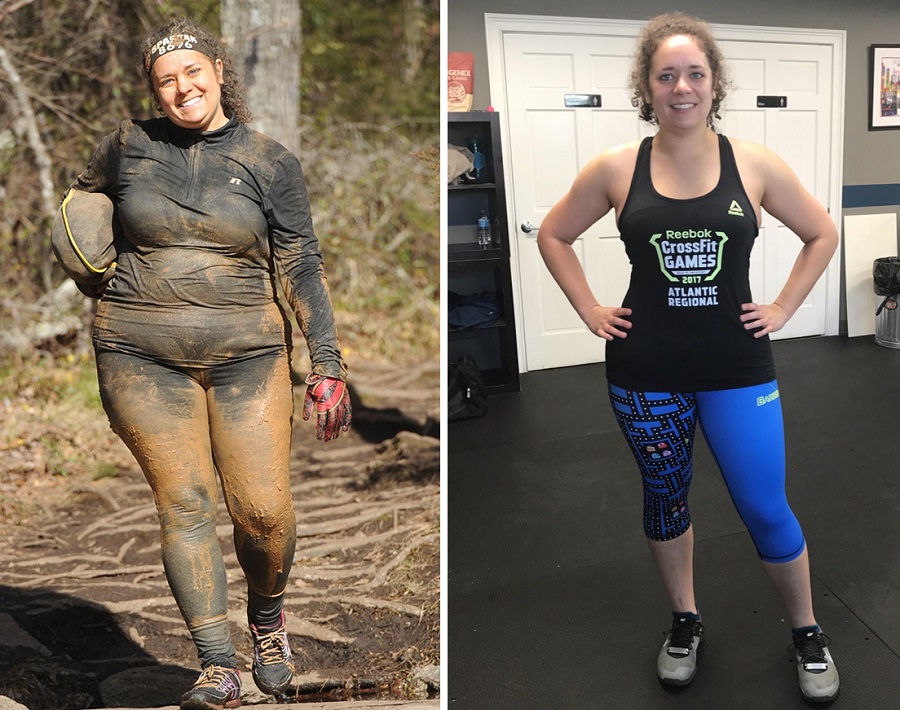
Transformational fitness stories are everywhere. Online forums, social media channels, and lifestyle magazines frequently feature before-and-after photographs showcasing dramatic physical overhauls. A person loses fifty, seventy-five, or even more than one hundred pounds, stepping into a healthier, more capable body.
While these visual comparisons are eye-catching, the visual snapshot rarely captures the everyday reality behind the change. The public sees the final product, but they miss the mundane, unglamorous habits that produced it. True long-term success is not forged through thirty-day detoxes, extreme juice fasts, or exhausting daily boot camps.
When you study individuals who have successfully lost significant amounts of body fat and kept it off for five, ten, or fifteen years, clear behavioral patterns emerge. They rarely follow the exact same dietary philosophy, but their psychological frameworks, environmental designs, and recovery habits are strikingly similar. Deconstructing these shared patterns provides actionable principles that anyone can apply to their own health journey.
The Paradigm Shift: From Arrival Mindset to Lifelong Practice
The most common characteristic among people who struggle with chronic weight cycling is viewing health as a temporary project with a set end date. Under this arrival mindset, the diet is treated as a temporary prison sentence. The individual assumes that once they reach a specific scale weight or drop into a specific clothing size, the diet is finished and normal life can resume.
Individuals with enduring success tell a completely different story. They describe a pivotal moment where they stopped viewing fitness as a thirty-day sprint and started seeing it as an ongoing identity shift:
-
Ditching the diet finish line: Successful people realize that the habits required to lose weight are largely the same habits required to keep it off. Returning to old behaviors always produces old outcomes.
-
Building identity-based habits: Instead of thinking about what they are giving up, they adopt the identity of a healthy, active person. They ask themselves what a healthy person would do when faced with a demanding workday, an airport layover, or a social celebration.
-
Accepting non-linear progress: Scale weight fluctuates naturally based on hydration, glycogen stores, sodium intake, and bowel movements. Long-term achievers do not panic or abandon their routine when the scale spikes temporarily after a salty restaurant meal.
By detaching from short-term timelines and focusing on permanent lifestyle design, successful maintainers eliminate the psychological desperation that leads to burnout.
Nutrition Strategies That Stand the Test of Time
Search across thousands of real-world weight loss journeys, and you will find people who succeeded using low-carbohydrate diets, Mediterranean-style eating, plant-based nutrition, or straightforward flexible dieting. The specific macronutrient split matters far less than adherence.
Across these different dietary approaches, successful maintainers consistently emphasize three nutritional pillars:
High Protein as the Foundation
Virtually every sustainable success story features an intentional focus on dietary protein. Protein serves as the body’s primary architectural resource, providing essential amino acids to repair tissues and sustain vital organ function.
-
Satiety signaling: Protein triggers the release of gut peptides like peptide YY and cholecystokinin, which signal the hypothalamus that the body is fed, curbing the desire to constantly graze.
-
Muscle preservation: During an energy deficit, the body risks breaking down skeletal muscle alongside body fat. Adequate protein intake protects lean mass, ensuring the weight lost comes predominantly from adipose tissue.
-
Higher thermic cost: Digesting and processing protein burns roughly twenty to thirty percent of its energy value, giving it a higher metabolic cost than dietary fats or refined carbohydrates.
Successful individuals typically center every main meal around a dedicated protein anchor, such as poultry, fish, eggs, tofu, Greek yogurt, or legumes.
High Food Volume with Low Caloric Density
People who keep weight off over decades rarely report feeling chronically starved. They avoid hunger through volume eating, an approach that maximizes physical plate volume while keeping total energy intake moderate.
The stomach utilizes mechanical stretch receptors along its internal wall to assess fullness. When the stomach expands, it sends neural signals to the brain to turn off appetite.
-
Non-starchy vegetables: Broccoli, cabbage, cauliflower, zucchini, and leafy greens consist largely of water and indigestible dietary fiber. Filling half the plate with these foods creates physical fullness for very few calories.
-
Whole fresh fruits: Swapping processed sweets for whole berries, apples, or oranges provides natural sweetness alongside dietary fiber and micronutrients, avoiding the blood glucose spikes caused by refined snacks.
-
Intelligent starches: Boiled potatoes, sweet potatoes, and rolled oats absorb significant amounts of water during cooking, making them exceptionally satiating per calorie compared to dry, processed carbohydrates like chips or crackers.
The Elimination of Mindless Liquid Calories
A unifying theme in almost every major weight loss story is the elimination of sugary, calorie-dense beverages. Liquid calories bypass normal mastication and oral satiety pathways, meaning the brain does not register them the same way it does solid food.
Successful maintainers consistently replace soda, sweetened coffee drinks, sweet teas, and fruit juices with water, sparkling water, black coffee, and unsweetened tea. This simple adjustment often removes several hundred empty calories per day without sacrificing any physical fullness.
Physical Movement Beyond the Gym Floor
Many beginners believe that massive weight loss requires hours of daily, grueling cardiovascular punishment on a treadmill. Yet, the physical activity profiles of long-term maintainers reveal a much more balanced, sustainable reality.
The True Power of Daily Steps
When people look at energy expenditure, they often overemphasize structured gym workouts while ignoring non-exercise activity thermogenesis. This non-exercise movement encompasses every physical action taken outside of deliberate athletic workouts: walking, cleaning, pacing, taking stairs, and standing.
Successful individuals consistently build high baseline activity into their daily lifestyles:
-
They establish a consistent daily step baseline, often between eight thousand and twelve thousand steps.
-
They integrate short, ten-minute walks immediately following major meals to improve insulin sensitivity and postprandial glucose clearance.
-
They choose active commuting methods whenever possible, park farther from storefronts, and prioritize walking meetings over desk sessions.
While an intense workout burns calories for forty-five minutes, elevated daily movement burns energy continuously throughout the entire day, without triggering the ravenous appetite spikes that often follow exhausting cardio sessions.
Progressive Strength Training Over Endless Cardio
Cardiovascular exercise provides outstanding benefits for heart, lung, and mitochondrial health. However, successful maintainers almost universally emphasize resistance training as the core of their structured fitness routines.
Lifting weights sends an unmistakable biological signal to the body that muscle tissue is essential for survival. When an individual creates a caloric deficit without lifting weights, the body adapts by catabolizing both fat and skeletal muscle to become lighter and more fuel-efficient. This muscular erosion lowers the basal metabolic rate, meaning the individual must consume progressively fewer calories just to maintain their new weight.
By lifting challenging weights two to four times per week, successful individuals maintain their metabolic engine, protect joint structures, improve posture, and create a strong, functional physique.
Environmental Design Beats Willpower
One of the most dangerous myths in modern fitness is that successful people possess iron willpower. Psychological research demonstrates that willpower functions like a battery; it drains steadily throughout the day as an individual makes decisions, manages work stress, and navigates interpersonal challenges.
People who successfully transform their bodies do not have more willpower than those who struggle. Instead, they design their living and working environments so they rarely have to use willpower in the first place.
Successful environmental adjustments include:
-
Pantry curation: They do not keep multi-serving boxes of hyper-palatable snacks, pastries, or chips in the house. If they want a treat, they purchase a single serving outside the home.
-
Friction management: They place fresh fruit and pre-washed vegetables directly at eye level in the refrigerator, while storing less healthy convenience foods behind closed cabinet doors or out of reach.
-
Automated meal prep: They cook proteins, whole grains, and roasted vegetables in bulk on quiet days, ensuring nutritious meals are ready in minutes when fatigue strikes on busy evenings.
-
Visual fitness triggers: They lay out workout clothes the night before, keep walking shoes by the front door, and pack their gym gear into the car before going to sleep.
By structuring their physical spaces to make healthy choices effortless and unhealthy choices inconvenient, they remove friction from the decision-making process.
Frequently Asked Questions
How do successful weight loss maintainers navigate holiday parties and vacations without regaining weight?
Long-term maintainers view vacations and holidays through the lens of moderation rather than all-or-nothing indulgence. They prioritize lean proteins and vegetables during daytime meals, stay hydrated, maintain their daily step counts, and intentionally select small portions of unique dishes they genuinely enjoy, avoiding generic snacks that offer little satisfaction.
What specific psychological triggers lead people to abandon their diet after a single minor slip-up?
Diet abandonment is typically driven by cognitive distortions, particularly dichotomous or black-and-white thinking. When a person believes they must eat with absolute perfection, consuming a single unplanned food item is perceived as a total system failure, prompting a cognitive surrender known as the what-the-hell effect, where they abandon all dietary constraints for days or weeks.
How does tracking body measurements differ from tracking scale weight during significant body recomposition?
Body measurements capture structural dimensional changes that the scale cannot register. When an individual gains functional skeletal muscle while burning adipose tissue, their overall weight on the scale may stay flat or decline very slowly, yet circumferences of the waist, hips, and thighs will steadily shrink, reflecting positive structural improvements.
Why do long-term maintainers report weighing themselves regularly instead of avoiding the scale?
Data from long-term registry studies demonstrates that individuals who successfully maintain significant weight loss weigh themselves consistently, often several times per week. Regular weighing serves as a neutral feedback system, allowing them to spot upward trends of three to five pounds early and make minor lifestyle adjustments before larger weight regain occurs.
What role does chronic sleep restriction play in triggering weight regain after a successful diet?
Chronic sleep deprivation disrupts the endocrine system by elevating circulating ghrelin, suppressing leptin, and raising resting cortisol levels. This hormonal environment impairs glucose metabolism, decreases insulin sensitivity in peripheral muscle tissue, and increases neurological cravings for calorie-dense foods rich in refined sugars and fats.
How do individuals who have lost large amounts of weight manage loose or redundant skin?
Managing loose skin depends heavily on age, genetics, smoking history, and the total volume of weight lost. Maintainers often improve skin appearance by building underlying skeletal muscle to fill the tissue space, staying hydrated, and eating adequate protein to support natural collagen production, though surgical excision remains the only permanent remedy for severe, redundant folds.
How does social circle dynamic change for someone who goes through a major physical transformation?
Undergoing a major physical transformation can create friction within social circles if friends or family members feel challenged or left behind by the individual’s new boundaries, such as declining alcohol or skipping late-night takeout. Successful maintainers handle this by communicating their personal health motives clearly, proposing active social alternatives like hikes or casual coffee walks, and establishing new friendships within active communities.