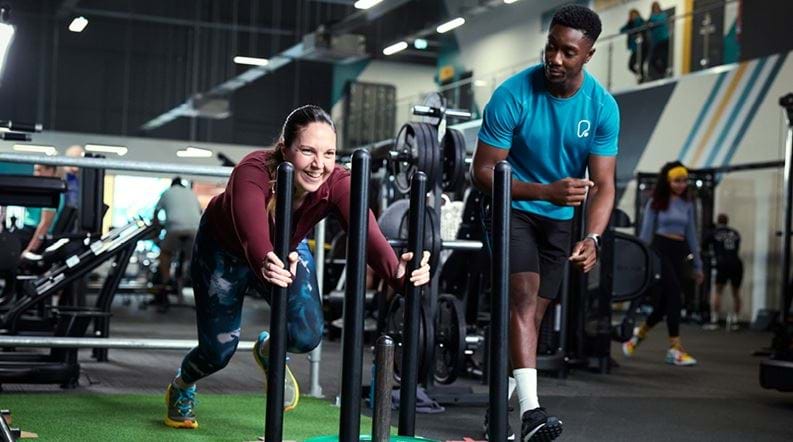

When time is limited, fitness enthusiasts and athletes often make the same mistake. They look at their schedule, realize they only have forty-five minutes to train, and immediately eliminate the warm-up and the cool-down. The reasoning seems practical on the surface: jumping directly into heavy lifts or high-intensity intervals maximizes time spent under tension or burning calories, while skipping the finish lets them get to the shower five minutes sooner.
In sports science and human physiology, viewing warm-ups and cool-downs as optional bookends is fundamentally flawed. These phases are not filler; they are physiological bridges that transition the human body between rest and extreme exertion. Bypassing them places unnecessary mechanical stress on cold tissues, shocks the cardiovascular network, limits athletic output, and delays the restorative processes needed for adaptation.
Understanding how deliberate preparation and structured recovery affect bodily systems transforms these practices from tedious obligations into essential components of long-term progress and injury prevention.
The Physiology of an Effective Warm-Up
A proper warm-up does far more than make you sweat. Its primary goal is systematic preparation across three interrelated biological domains: cardiovascular, musculoskeletal, and neurological.
At rest, your body directs the majority of its cardiac output to internal organs like the liver, kidneys, and digestive tract. Only about fifteen to twenty percent of circulating blood reaches skeletal muscle tissue. When you begin to move dynamically, local metabolic factors cause arterioles supplying muscle beds to dilate, while vessels serving the viscera constrict. Within minutes, that distribution flips entirely, shunting up to eighty-five percent of blood flow directly to working skeletal muscle.
This massive circulatory shift provides distinct biomechanical advantages:
-
Elevated tissue temperature: As intramuscular temperature increases, the physical viscosity of muscle fibers and connective tendons drops. Warm muscles are pliable and compliant, allowing them to stretch further and absorb sudden mechanical tension without tearing.
-
The Bohr effect and oxygen delivery: Higher internal temperatures and localized carbon dioxide production reduce hemoglobin affinity for oxygen. This means red blood cells release oxygen to hard-working mitochondria far more rapidly and completely.
-
Enhanced nerve conduction velocity: Neural signals travel faster across warm motor neurons. This heightened signaling speed sharpens reaction time, refines proprioception, and enhances motor unit recruitment for explosive force production.
-
Synovial lubrication of joints: Hyaline cartilage covering the ends of bones has no direct vascular supply. Rhythmic dynamic movement compresses and decompresses joint capsules, drawing in lubricating synovial fluid to cushion bone-on-bone interfaces under load.
A body that is thoroughly warm produces more power, moves through full joint angles with less friction, and operates with a significantly lower risk of acute muscle strains and joint sprains.
The Problem with Static Stretching Before Exercise
For decades, traditional physical education encouraged trainees to perform long, passive static stretches before playing sports or lifting weights. Trainees would bend over, grab their toes, and hold the stretch for thirty to sixty seconds, believing it prevented injury.
Modern exercise science has demonstrated that passive static stretching before intense training is counterproductive and potentially harmful.
Holding a prolonged static stretch on a resting muscle triggers an autogenic inhibition response via the Golgi tendon organ. This reflex suppresses motor neuron excitation to prevent the muscle from tearing under sustained tension. As a result, the muscle relaxes and loses its passive stiffness.
While that sounds beneficial, dynamic movement actually requires stiffness. Tendons and fascial networks act like biological springs, storing elastic energy during the lowering phase of a squat, jump, or running stride and releasing it during propulsion. Blunting this natural spring mechanism through pre-workout static stretching reduces maximal muscular force, slows sprint velocity, and compromises joint stability under heavy loads. Static stretching belongs at the end of a session, never at the beginning.
Structuring the Dynamic Warm-Up: The RAMP Method
To replace outdated stretching routines, sports scientists developed the RAMP protocol, a structured four-phase system designed to prepare the body progressively for peak performance.
Raise
The initial phase aims to raise body temperature, heart rate, respiration rate, and blood flow. This requires three to five minutes of low-intensity, multi-directional aerobic movement, such as light jogging, skipping, jumping jacks, or rowing. The intensity should be gentle enough to elevate core temperature without creating muscular fatigue.
Activate
The activation phase targets key muscle groups that are prone to underactivity due to prolonged daily sitting. Specific attention is placed on the glutes, rotator cuff, transverse abdominis, and mid-back musculature. Exercises like banded lateral walks, glute bridges, and cable external rotations wake up these stabilizer muscles so they fire properly during compound lifts.
Mobilize
Mobilization focuses on moving the primary joints through dynamic, active ranges of motion rather than holding static positions. These movements challenge the hips, thoracic spine, and ankles:
-
Deep bodyweight squat with thoracic reach: Opens hip capsules while rotating the mid-back to restore upper-body mobility.
-
Walking lunges with an overhead reach: Stretches the hip flexors dynamically while engaging core stabilizers.
-
Inchworms with a push-up: Mobilizes the posterior chain while loading the shoulder girdles and wrist flexors.
-
Leg swings in multiple planes: Moves the hip joint through flexion, extension, and abduction without joint compression.
Potentiate
The final phase bridges the gap to the actual workout by priming the central nervous system for specific loads. Trainees execute sport-specific movements with increasing velocity or perform warm-up sets of the primary exercise with ascending weights. If your main lift is a heavy barbell deadlift, potentiation involves starting with an empty barbell and gradually adding weight over several low-repetition sets until reaching working resistance.
The Physiology of the Cool-Down
The cool-down is often viewed merely as an easy five minutes tacked onto the end of a workout. Physiologically, however, it serves a critical function: guiding the body safely out of a state of high autonomic stress.
Intense exercise demands overwhelming sympathetic nervous system dominance, often referred to as the fight-or-flight response. Your heart rate is elevated, blood vessels are dilated, adrenaline and cortisol circulate at high levels, and the cardiovascular system is under substantial pressure.
Stopping intense exercise suddenly without a cool-down poses real physiological hazards:
-
Venous pooling: During vigorous leg exercise, the rhythmic squeezing of calf and thigh muscles assists the heart by pumping blood back up through the deep veins against gravity. If you stop moving instantly, that muscular pump ceases, but peripheral blood vessels remain widely dilated. Blood pools in the lower extremities, causing a sudden drop in cardiac output and blood pressure that can trigger dizziness, nausea, or fainting.
-
Arrhythmia vulnerability: High concentrations of catecholamines, such as epinephrine and norepinephrine, linger in the bloodstream immediately post-exercise. A gradual reduction in intensity allows these hormones to metabolize smoothly, reducing the risk of irregular heartbeats as the heart decelerates.
-
Restoration of resting pH: A slow, continuous active cool-down keeps circulation moving, facilitating the transport of accumulated hydrogen ions and cellular metabolites away from muscle tissues toward the liver and kidneys for processing.
A structured cool-down protects your cardiovascular health while establishing the groundwork for muscular recovery.
Modern Recovery Protocols for the Cool-Down
An optimal cool-down consists of two main components: an active metabolic flush followed by passive parasympathetic down-regulation.
Active Low-Intensity Movement
Spend three to five minutes engaging in continuous, low-intensity aerobic activity. Light walking on a treadmill, easy spinning on an upright bicycle, or relaxed rowing keeps the skeletal-muscle pump active, preventing venous pooling and gradually lowering heart rate to baseline levels.
Static Stretching and Soft-Tissue Mobilization
Once the heart rate drops, the muscles remain deeply warm and receptive to tissue elongation. This is the ideal window for static stretching and foam rolling.
-
Hold static stretches for thirty to sixty seconds on muscles that were shortened or heavily loaded during the session, such as the hip flexors, hamstrings, quadriceps, and pectorals.
-
Use a foam roller or massage ball to apply sustained pressure to tight trigger points, sending inhibitory signals through the nervous system to relax guarded tissues.
Down-Regulation Breathing
The final, often neglected phase of a cool-down involves deliberate breathwork. Taking slow, controlled breaths through the nose with prolonged exhalations directly stimulates the vagus nerve.
This conscious breathing activates the parasympathetic rest-and-digest system, signaling to the brain that the physiological threat has passed. The sooner your body enters a parasympathetic state, the faster it can initiate cellular repair, protein synthesis, and immune modulation.
Frequently Asked Questions
Does a thorough cool-down eliminate delayed-onset muscle soreness completely?
No. Delayed-onset muscle soreness is primarily caused by microscopic tears within muscle fibers and localized connective tissue inflammation resulting from eccentric muscle actions. While a cool-down assists in blood clearance and reduces acute joint stiffness, it cannot prevent the structural micro-trauma responsible for post-workout soreness.
How does environmental temperature impact warm-up duration?
Cold environments require longer warm-ups because cold air and low ambient temperatures accelerate body heat loss, keeping connective tissues stiff and fluid viscosity high. In winter conditions, extend the dynamic phase by five to ten minutes, and wear layered clothing to trap metabolic heat until you are fully sweating.
Can foam rolling replace dynamic movements during the warm-up?
No. Foam rolling temporarily increases local blood flow and reduces perceived pain by modulating nervous system sensitivity, but it does not raise core body temperature, stretch tendons under load, or recruit motor units at high speeds. It can serve as a brief pre-warm-up tool for stiff areas, but it must be followed by dynamic movement.
Is it safe to skip a cool-down if a workout consists only of light resistance training?
While low-intensity lifting creates less cardiovascular shock than sprint intervals, skipping a cool-down still misses an opportunity to initiate muscle recovery. Even a brief two-minute cool-down with focused breathing helps reset baseline muscle tone, centers your posture, and lowers stress hormones after any form of resistance exercise.
How does age affect the time needed for warm-ups and cool-downs?
As the body ages, collagen fibers lose hydration and natural elasticity, while synovial fluid production decreases. Older adults generally require longer, more progressive warm-ups to achieve proper joint lubrication and tissue compliance. Similarly, their cardiovascular systems take longer to return to resting heart rates, making a gradual cool-down essential.
Can hyperventilating during high-intensity exercise be corrected during the cool-down?
Yes. Intense workouts frequently cause shallow, rapid mouth-breathing that relies heavily on secondary neck and upper-chest muscles. The cool-down provides a structured opportunity to retrain diaphragmatic breathing, pulling air deep into the lower lung lobes to oxygenate the blood, reduce carbon dioxide blow-off, and ease neck tension.
Does a warm-up need to mirror the exact movements of the planned workout?
The general warm-up can involve generic movements like jogging or cycling, but the specific warm-up must directly replicate the planned exercises. Moving through identical movement patterns at lighter loads grooves motor patterns in the cerebral cortex, refines joint positioning, and ensures the exact working muscles are primed for heavy resistance.