Maintaining physical fitness has become a top priority for many, especially with the convenience and accessibility of exercising at home. Home fitness workouts for beginners provide a practical way to improve strength, flexibility, and cardiovascular health without the need for expensive gym memberships or extensive equipment. This comprehensive guide will walk you through effective strategies, routines, and tips to kickstart your fitness journey from the comfort of your home.
Understanding the Basics of Home Fitness
Starting a fitness routine at home requires understanding the core principles of exercise and personal health. For beginners, it’s important to focus on consistency, proper form, and gradual progression rather than attempting advanced workouts right away.
Benefits of Home Workouts
- Convenience: No commute means more time for actual exercise.
- Cost-effective: No need for gym memberships or specialized equipment.
- Privacy and Comfort: Exercise in your own space without feeling self-conscious.
- Flexibility: Create a schedule that fits your lifestyle and energy levels.
Key Components of Fitness
A well-rounded home fitness program should incorporate these elements:
- Cardiovascular Endurance: Activities that elevate heart rate, such as jogging in place or jumping jacks.
- Strength Training: Bodyweight exercises or light weights to build muscle and bone density.
- Flexibility and Mobility: Stretching routines or yoga to improve movement range and reduce injury risk.
- Balance and Coordination: Exercises like single-leg stands or core work to improve stability.
Essential Equipment for Beginners
While many exercises can be performed using only body weight, a few simple tools can enhance your home workouts:
- Yoga Mat: Provides cushioning and support for floor exercises.
- Resistance Bands: Versatile tools for strength training.
- Dumbbells or Kettlebells: Optional for adding intensity.
- Stability Ball: Useful for core workouts and balance exercises.
Even without these tools, you can effectively train your entire body using furniture, stairs, or household items.
Designing a Beginner-Friendly Workout Routine
Creating a structured workout plan is crucial for long-term progress. For beginners, the goal should be building a habit, learning proper form, and gradually increasing intensity.
Frequency and Duration
- Start with 3 to 4 workouts per week, allowing rest days in between.
- Each session can last 30 to 45 minutes, focusing on a combination of cardio, strength, and flexibility.
- Gradually increase duration and intensity as stamina improves.
Warm-Up and Cool-Down
Warming up prepares the body for exercise, reducing injury risk and enhancing performance.
Warm-Up Ideas:
- Arm circles and shoulder rolls
- Marching or jogging in place
- Dynamic stretches like lunges or leg swings
Cool-Down Strategies:
- Slow walking to lower heart rate
- Static stretches targeting major muscle groups
- Deep breathing exercises to promote relaxation
Effective Home Fitness Exercises for Beginners
To build a balanced routine, incorporate exercises targeting all major muscle groups and fitness components.
Cardiovascular Exercises
Cardio exercises boost heart health and burn calories efficiently.
- Jumping Jacks: Improves coordination and elevates heart rate.
- High Knees: Strengthens lower body while enhancing cardio fitness.
- Marching in Place: Low-impact alternative for those with joint concerns.
- Stair Climbing: Practical and effective, using household stairs if available.
Strength Training Exercises
Strength training is essential for muscle development, metabolic health, and injury prevention.
Upper Body:
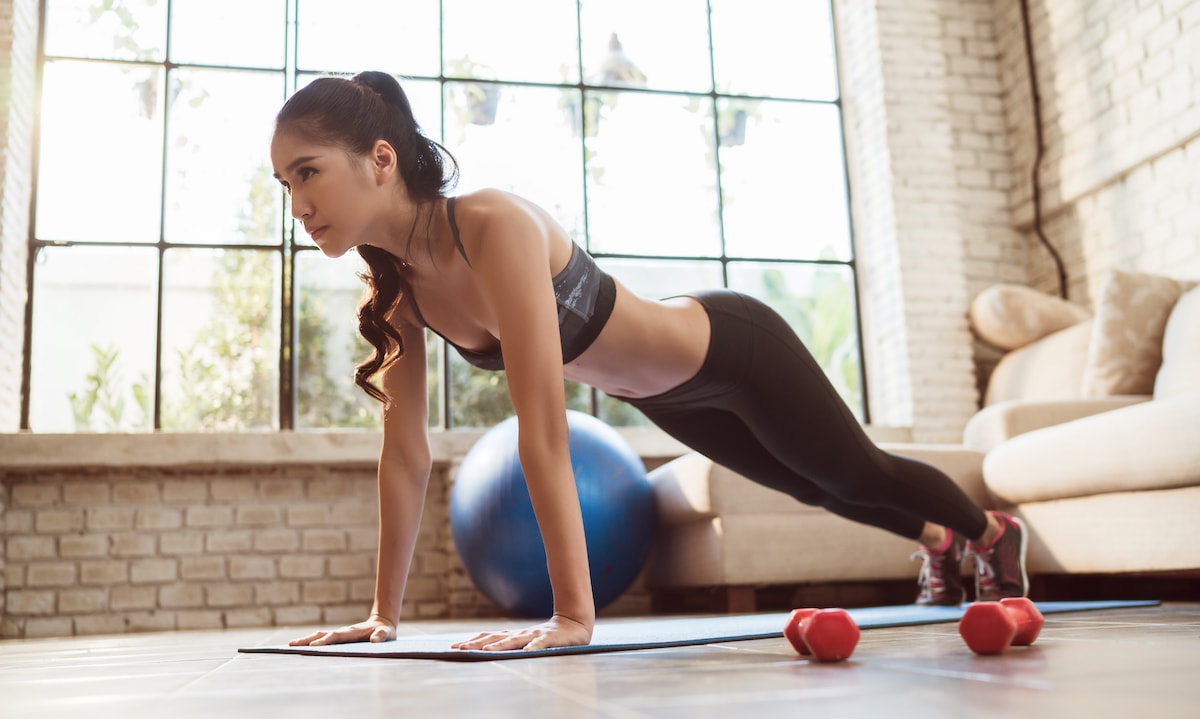
- Push-Ups: Targets chest, shoulders, and triceps. Modified versions can be done on knees.
- Chair Dips: Strengthens triceps and shoulders using a sturdy chair.
- Resistance Band Rows: Works back muscles using bands or even household objects like towels.
Lower Body:
- Squats: Improves leg strength and core stability.
- Lunges: Enhances balance and works glutes, hamstrings, and quads.
- Glute Bridges: Strengthens glutes and lower back.
Core Workouts:
- Planks: Engages the entire core and improves posture.
- Bicycle Crunches: Targets obliques and abdominal muscles.
- Leg Raises: Focuses on lower abdominal strength.
Flexibility and Mobility
Incorporating stretching and mobility exercises prevents stiffness and improves performance.
- Cat-Cow Stretch: Enhances spinal flexibility.
- Hamstring Stretch: Reduces tension in lower back and legs.
- Hip Flexor Stretch: Counteracts the effects of prolonged sitting.
- Shoulder Rolls and Arm Stretches: Relieves tension in the upper body.
Balance and Coordination Exercises
Balance exercises improve stability, coordination, and prevent falls.
- Single-Leg Stands: Stand on one leg for 20–30 seconds, switching sides.
- Heel-to-Toe Walks: Enhances proprioception and lower-body stability.
- Standing Knee Lifts: Combine balance with core engagement.
Structuring a Weekly Beginner Home Workout Plan
A simple weekly plan ensures variety, progression, and recovery. Here’s an example:
- Monday: Full-body strength training (bodyweight exercises)
- Tuesday: Cardiovascular workout (jumping jacks, high knees, stair climbing)
- Wednesday: Rest or light yoga for recovery
- Thursday: Core-focused strength and balance exercises
- Friday: Full-body circuit combining strength and cardio
- Saturday: Flexibility and mobility session
- Sunday: Rest or gentle walk
Consistency is key. Begin at a pace that feels manageable and gradually increase difficulty.
Tips for Staying Motivated at Home
Maintaining motivation is often the biggest challenge in a home fitness routine. Here are strategies to keep on track:
- Set Clear Goals: Focus on strength, endurance, or flexibility milestones.
- Track Progress: Use a fitness journal or apps to monitor achievements.
- Create a Dedicated Workout Space: Even a small area with minimal distractions can improve adherence.
- Schedule Workouts: Treat them as non-negotiable appointments in your day.
- Mix It Up: Rotate exercises to prevent boredom and ensure full-body development.
Safety Considerations for Beginners
While home workouts are convenient, safety is paramount:
- Always maintain proper form to avoid injury.
- Avoid overexertion, especially when starting.
- Use sturdy furniture or supportive surfaces for exercises.
- Listen to your body; rest if you experience pain or dizziness.
Frequently Asked Questions (FAQ)
How can I start home workouts without any equipment?
You can perform bodyweight exercises like squats, push-ups, lunges, planks, and stair climbing. Furniture or household items can substitute for weights or resistance tools.
How often should beginners exercise at home?
Begin with 3–4 days a week, incorporating a mix of cardio, strength, and flexibility training, with rest days for recovery.
Is it possible to see results without a gym?
Yes. Consistency, proper nutrition, and progressive training will lead to improvements in strength, endurance, and overall fitness.
How long before I notice improvements in fitness?
Beginners typically notice enhanced energy, stamina, and muscle tone within 4–6 weeks of consistent workouts.
Can I combine cardio and strength in a single session?
Absolutely. Circuit-style workouts that alternate between cardio and strength exercises are highly effective for beginners.
What if I have limited space at home?
Even small areas are sufficient for exercises like planks, squats, push-ups, and lunges. Focus on creative space utilization and bodyweight routines.
How do I stay motivated to work out at home?
Set achievable goals, track progress, establish a routine, and vary workouts to keep them engaging.
Home fitness workouts for beginners offer a practical, flexible, and cost-effective solution to improve physical health. With a structured plan, proper technique, and a focus on consistency, anyone can build strength, boost cardiovascular health, and enhance overall well-being from the comfort of their own home. This approach not only fosters physical improvement but also cultivates a sustainable and enjoyable fitness habit.