Between busy work schedules, family commitments, and daily stress, eating patterns often become fragmented. For many people, snacking is no longer an occasional bridge between meals; it represents a substantial portion of daily caloric intake. Unfortunately, standard convenience foods are designed to be hyper-palatable, packed with refined sugars, hydrogenated fats, and excess sodium that spike energy temporarily only to leave fatigue and intense hunger in their wake.
Snacking itself is neither inherently good nor bad. Its impact depends entirely on purpose, food quality, and portion control. When approached intentionally, snacking serves as an effective tool to stabilize blood glucose levels, supply vital micronutrients, sustain mental focus, and prevent the uncontrolled overeating that frequently happens at dinner. Learning how to transform mindless grazing into strategic nourishment allows you to fuel your body consistently and make balanced eating feel effortless.
Rethinking the Role of a Snack
In modern consumer culture, the word snack is almost synonymous with shelf-stable treats found in vending machines, gas stations, and office break rooms. Potato chips, candy bars, processed crackers, and sugary granola bars dominate the marketplace. These foods are created using an engineered balance of fat, sugar, and salt that overrides the body’s natural satiety cues, making it easy to finish a multi-serving package in a single sitting.
A beneficial snack should function as a miniature meal. It ought to deliver genuine nutritional value that complements your overall diet. Rather than asking what quick treat sounds appealing, ask what your body actually needs to sustain energy for the next three to four hours.
Viewing snacks through this lens shifts the objective away from short-term oral fixation toward physiological nourishment. An ideal snack should:
-
Provide sustained, even energy without causing a sharp insulin spike.
-
Contribute to your daily quotas for dietary fiber, protein, healthy fats, and essential minerals.
-
Satisfy genuine physical hunger rather than emotional boredom or stress.
-
Keep portion sizes controlled so your appetite remains appropriately regulated for standard sit-down meals.
The Power of Macronutrient Pairing
The most common mistake people make when snacking is consuming isolated carbohydrates. Eating an apple, a bag of pretzels, or a handful of dried fruit provides quick fuel, but fast-digesting carbohydrates exit the stomach rapidly. As glucose floods the bloodstream, the pancreas releases insulin to clear it. Once blood glucose levels drop, the brain signals hunger again, often within sixty minutes.
To build long-lasting satiety, pair high-fiber carbohydrates with either a quality protein or a healthy fat source. Protein and fat take significantly longer to break down, physically slowing gastric emptying and prompting the release of fullness hormones such as peptide YY and cholecystokinin.
Here are several effective pairing ideas built from whole food sources:
-
Fresh apple slices with natural almond butter: The soluble pectin fiber from the fruit pairs with the monounsaturated fats and plant protein in the nut butter to slow carbohydrate absorption.
-
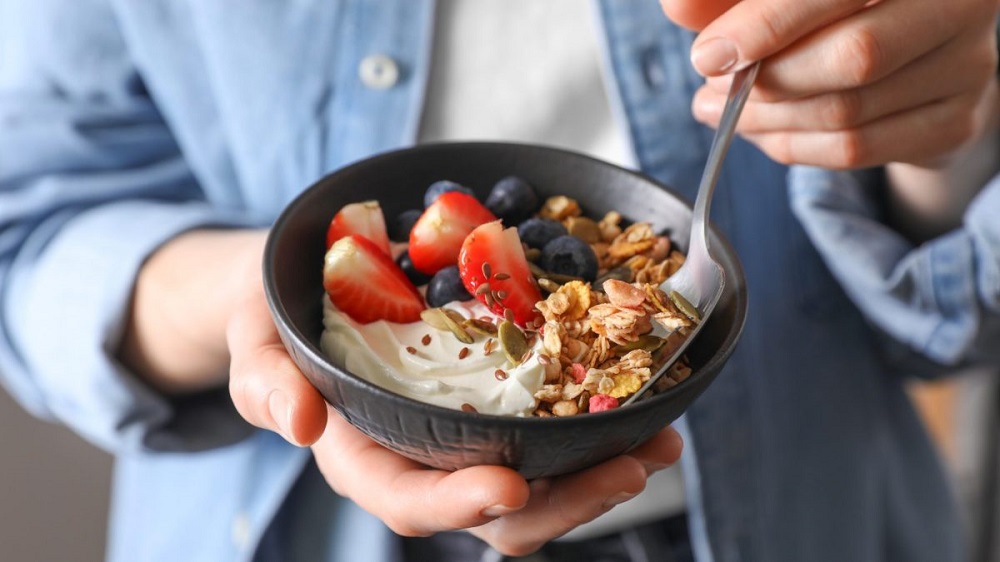
Plain Greek yogurt with fresh berries and chia seeds: Greek yogurt offers concentrated casein and whey proteins, while berries and seeds contribute antioxidant polyphenols and prebiotic fiber.
-
Carrot and cucumber batons with authentic hummus: Fresh, crunchy vegetables provide hydration and volume, while chickpea-based hummus delivers complex starches, fiber, and olive oil fats.
-
Hard-boiled eggs paired with a handful of raw walnuts: Eggs provide complete protein, choline, and fat-soluble vitamins, while walnuts offer plant-based alpha-linolenic omega-three fatty acids that support brain health.
-
Shelled edamame dusted with sea salt and garlic powder: Whole soy pods provide a complete plant protein combined naturally with dense dietary fiber, requiring no added fats to be deeply satisfying.
Environmental Design and Mindful Eating Habits
Eating behaviors are heavily influenced by environmental cues. If a bowl of foil-wrapped chocolates sits on your work desk, you will likely eat several throughout the day simply because they are visible and accessible. Willpower is a depletable psychological resource; relying on it constantly in an unsupportive kitchen or office environment almost always leads to grazing.
Designing your surroundings to make healthy choices frictionless is far more effective than relying on self-restraint.
Restructure Food Visibility
Visual triggers drive habitual food consumption. Take advantage of this tendency by rearranging your food storage areas:
-
Store raw, washed vegetables, peeled citrus, and portioned yogurt directly at eye level on the middle shelf of your refrigerator.
-
Move processed snacks, baked goods, and crackers to top cabinets, opaque bins, or entirely out of the house.
-
Keep a large bowl of seasonal whole fruit on your kitchen counter, placing convenience items out of sight in the pantry.
Establish Designated Eating Zones
Eating while working on spreadsheets, driving through traffic, or watching television causes sensory dissociation. The brain fails to register the volume of food consumed because attention is focused elsewhere, blunting satiety signals and leading to overconsumption.
Commit to eating every snack from an actual plate or small bowl rather than straight out of the original box or bag. Step away from your computer screen, put down your smartphone, and sit at a table for five to ten minutes. Paying attention to the aroma, texture, and taste of your food gives gut satiety signals adequate time to communicate with the brain.
Navigating Commercial Snack Labels
Real, whole foods are always the top choice, but modern schedules often demand packaged convenience options. When shopping at the grocery store, navigating health claims requires a critical eye. Packaging that prominently features words like gluten-free, organic, keto, or all-natural often distracts from products that remain calorie-dense and nutrient-poor.
To choose truly nourishing packaged snacks, inspect the nutrition facts panel and ingredient statement carefully:
-
Scrutinize added sugars: Look closely at the line for added sugars under total carbohydrates. Many energy bars and granolas contain twelve to twenty grams of added sugar per serving, rivaling standard dessert items. Aim for snacks with fewer than five grams of added sugar, preferably derived from whole fruit sources like dates.
-
Look for high fiber content: A quality snack should contain at least three to five grams of dietary fiber per serving. High fiber slows digestion and indicates that the primary ingredients are minimally refined seeds, nuts, or whole grains.
-
Watch the ingredient length: The ingredient list should consist of recognizable, whole food items. If a product features refined palm oils, artificial flavors, emulsifiers, and multiple types of syrups in the first few lines, leave it on the shelf.
-
Verify the serving size: Companies frequently divide small bags or single-serve packages into multiple servings to make calorie and fat counts appear artificially low at first glance. Always multiply the values by the actual amount you intend to eat.
Hydration and the Illusion of Hunger
The physiological sensation of thirst is frequently misinterpreted by the body as an urge to eat. The brain centers that govern hunger and thirst are located within the hypothalamus, a region that coordinates many survival drives. When mild dehydration sets in, energy drops, leading the brain to seek quick caloric replenishment in the form of food.
Before reaching into the pantry for a snack, assess your fluid intake:
-
Drink a full twelve-ounce glass of water or unsweetened herbal tea.
-
Wait ten to fifteen minutes and re-evaluate your physical sensations.
-
If the gnawing sensation in your stomach disappears and your mental energy returns, you were simply mildly dehydrated.
-
If your stomach continues to rumble and you feel a genuine hollow sensation, proceed to select a balanced snack.
Maintaining consistent hydration throughout the day prevents these false appetite signals from triggering unnecessary grazing.
Frequently Asked Questions
How many hours should typically pass between a snack and a main meal?
A light snack is best eaten roughly two to three hours before a major meal. This spacing allows your digestive system sufficient time to break down the nutrients, prevents energy slumps, and ensures you arrive at your main meal with a healthy, manageable appetite rather than ravenous hunger.
Can snacking elevate resting blood sugar levels in individuals with prediabetes?
Yes, constant all-day grazing can keep blood sugar and insulin levels persistently high, preventing the body from returning to a healthy baseline. People with insulin resistance or prediabetes benefit most from defined, planned eating windows with distinct rest periods between meals, rather than perpetual grazing every hour or two.
What are the best low-prep snacks to pack for long flights or car road trips?
Nutrient-dense, non-perishable options work best for travel. Consider dry-roasted edamame, unsalted almonds, single-serve packets of natural nut butter, roasted chickpeas, and shelf-stable lupini beans. These options travel easily, do not require refrigeration, and provide stable energy without causing travel-related digestive sluggishness.
Why do evening snacks often trigger more intense cravings for salty or sweet foods?
Late-night cravings are largely driven by a combination of circadian rhythm shifts, mental exhaustion, and elevated evening cortisol levels. As mental energy wanes, the prefrontal cortex becomes less effective at self-regulation, prompting the brain to crave calorie-dense foods for quick dopamine rewards and stress relief.
Is it necessary to count calories in healthy snacks if the ingredients are completely clean?
While nutrient quality is paramount, total energy balance still matters for weight management. Whole, wholesome foods like raw nuts, seeds, and nut butters are exceptionally nutrient-dense, meaning small physical portions carry significant calories. Measuring or estimating portions prevents you from accidentally overshooting your daily energy targets.
How does chewing speed impact the satisfaction derived from a snack?
Chewing thoroughly and eating slowly gives your stomach and intestines time to produce and send chemical signals like cholecystokinin to the brain, which takes approximately fifteen to twenty minutes to register fullness. Eating too quickly means you can easily consume twice as much food as your body needs before realizing you are satisfied.
What is the practical difference between a mid-morning snack and an afternoon snack?
A mid-morning snack generally serves to sustain focus and stabilize liver glycogen levels if you have an early breakfast or an active morning. An afternoon snack typically serves as an energy bridge to overcome the natural circadian dip in alertness between two and four o’clock, helping you power through the workday and avoid overeating at dinner.