Maintaining healthy cholesterol levels is critical for cardiovascular health, metabolic balance, and long-term well-being. High cholesterol, particularly elevated LDL cholesterol, can increase the risk of heart disease, stroke, and other complications. Fortunately, adopting a diet to reduce cholesterol naturally can have a profound impact on lipid profiles, overall health, and energy levels. This article provides an in-depth exploration of effective dietary strategies, practical tips, and lifestyle considerations for naturally managing cholesterol.
Understanding Cholesterol and Its Health Implications
Cholesterol is a fatty substance produced by the liver and obtained through certain foods. It plays a vital role in cell structure, hormone production, and vitamin D synthesis. However, an imbalance in cholesterol levels, especially high low-density lipoprotein (LDL) cholesterol and low high-density lipoprotein (HDL) cholesterol, can lead to plaque formation in arteries, a condition known as atherosclerosis. Over time, this can result in heart attacks, strokes, and peripheral vascular disease.
Key Types of Cholesterol
- LDL (Low-Density Lipoprotein): Often labeled as “bad” cholesterol because it contributes to arterial plaque formation.
- HDL (High-Density Lipoprotein): Known as “good” cholesterol, it helps remove LDL from the bloodstream.
- Triglycerides: Blood fats that provide energy but can contribute to cardiovascular risk when elevated.
Understanding these types is essential for implementing dietary changes that reduce LDL and triglycerides while supporting HDL levels.
Core Principles for a Cholesterol-Lowering Diet
Dietary patterns directly influence cholesterol levels. The following core principles provide a foundation for a natural, heart-healthy approach:
Emphasize Soluble Fiber
Soluble fiber binds cholesterol in the digestive system, preventing its absorption and promoting excretion. Foods rich in soluble fiber include:
- Oats, oat bran, and barley
- Lentils, chickpeas, and black beans
- Fruits like apples, citrus, and pears
- Vegetables such as carrots, broccoli, and Brussels sprouts
Consuming 5-10 grams of soluble fiber daily can significantly reduce LDL cholesterol levels over time.
Prioritize Heart-Healthy Fats
Replacing saturated fats with unsaturated fats improves lipid profiles:
- Monounsaturated fats: Olive oil, avocado, and nuts improve HDL levels while lowering LDL.
- Polyunsaturated fats: Fatty fish like salmon, mackerel, and sardines, as well as flaxseeds and chia seeds, provide essential omega-3 fatty acids that reduce triglycerides.
Avoid trans fats found in processed and fried foods as they elevate LDL and lower HDL cholesterol.
Include Plant Sterols and Stanols
Plant sterols and stanols naturally inhibit cholesterol absorption:
- Sources include fortified spreads, certain nuts, seeds, and whole grains.
- Consuming 2 grams per day has been shown to lower LDL cholesterol by 10-15%.
Increase Antioxidant-Rich Foods
Oxidative stress contributes to arterial damage and LDL oxidation. Including antioxidant-rich foods helps prevent plaque formation:
- Colorful fruits and vegetables such as berries, tomatoes, and spinach
- Green tea, rich in catechins that support vascular health
- Nuts like almonds and walnuts, which contain vitamin E and other antioxidants
Meal Planning Strategies to Reduce Cholesterol
Structured meals ensure consistency in cholesterol-lowering efforts and overall nutrient balance.
Breakfast Ideas
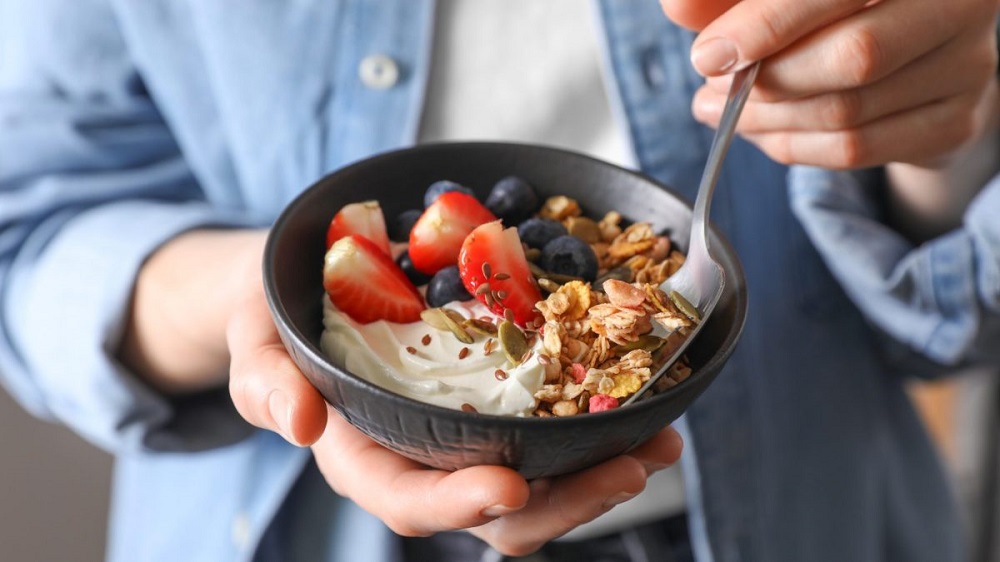
- Oatmeal topped with berries, chia seeds, and a splash of plant-based milk
- Smoothie with spinach, flaxseed, and avocado
- Whole-grain toast with natural peanut butter and slices of fruit
Lunch Options
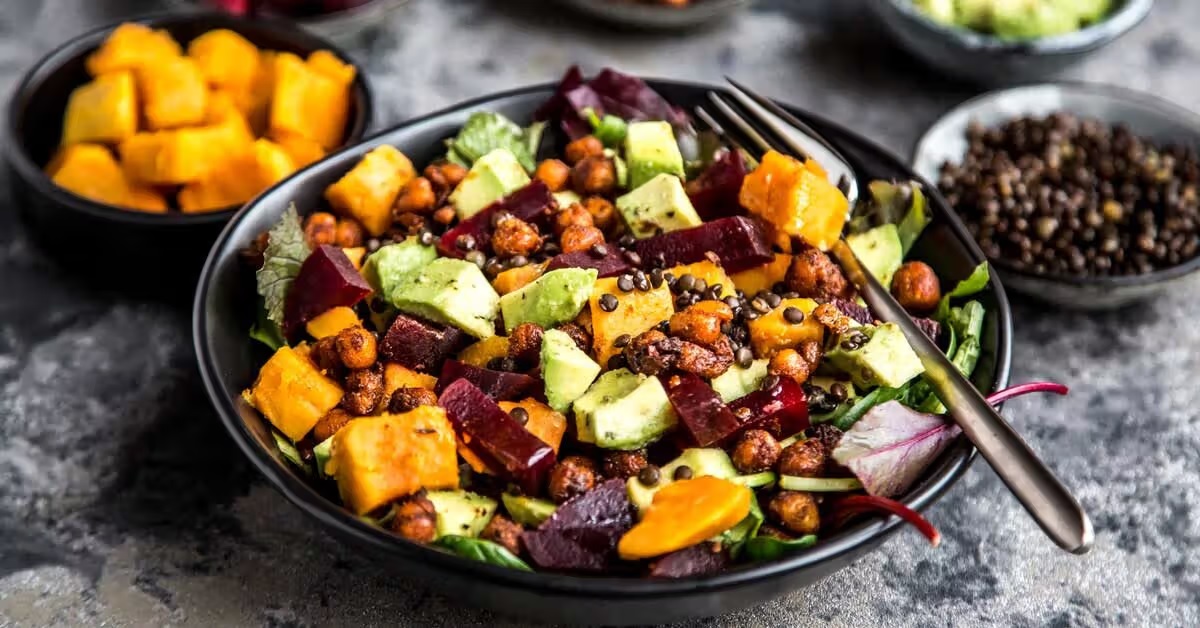
- Lentil or chickpea salad with mixed greens, tomatoes, and olive oil dressing
- Quinoa bowl with roasted vegetables and a sprinkle of nuts
- Whole-grain wrap filled with hummus, avocado, and colorful vegetables
Dinner Suggestions
- Baked salmon or mackerel with steamed broccoli and quinoa
- Stir-fried tofu with mixed vegetables in sesame oil
- Barley or brown rice with kidney beans and roasted carrots
Smart Snacking
- Almonds or walnuts
- Fresh fruit or vegetable sticks with hummus
- Air-popped popcorn seasoned lightly with herbs
Portion Control and Balance
- Half the plate with vegetables
- One-quarter with lean protein or plant-based protein
- One-quarter with whole grains or starchy vegetables
- Incorporate healthy fats in moderation to support nutrient absorption
Lifestyle Habits Supporting Cholesterol Reduction
Diet works best in combination with lifestyle adjustments. These habits enhance the effectiveness of cholesterol-lowering foods:
Regular Physical Activity
Exercise improves lipid profiles, particularly by increasing HDL and lowering triglycerides:
- 30-45 minutes of moderate aerobic exercise most days, such as brisk walking or cycling
- Resistance training 2-3 times per week to support muscle mass and metabolism
- Incorporating movement throughout the day to reduce sedentary behavior
Weight Management
Excess body fat, particularly around the abdomen, contributes to high LDL and triglycerides. Combining a balanced diet with regular physical activity promotes sustainable weight loss and heart health.
Stress Reduction
Chronic stress can elevate blood cholesterol indirectly through cortisol and inflammatory responses:
- Mindfulness meditation or deep breathing exercises
- Yoga or tai chi
- Adequate sleep of 7-9 hours per night
Limit Alcohol and Quit Smoking
Alcohol can raise triglycerides, and smoking reduces HDL cholesterol. Minimizing alcohol consumption and quitting smoking improve lipid profiles and overall cardiovascular health.
Functional Foods and Natural Supplements
Certain foods and supplements have evidence-backed cholesterol-lowering effects:
- Psyllium husk: A soluble fiber supplement that can reduce LDL cholesterol.
- Red yeast rice: Contains naturally occurring compounds similar to statins but should be used under medical guidance.
- Garlic: May have modest cholesterol-lowering effects when consumed regularly.
- Soy products: Tofu, soy milk, and edamame support LDL reduction.
These can complement a nutrient-dense diet but are not substitutes for balanced eating patterns.
Advanced Strategies for Cholesterol Control
For individuals seeking more targeted approaches:
Meal Timing and Composition
- Consuming higher fiber and protein earlier in the day may reduce postprandial lipid spikes.
- Pairing healthy fats with fiber-rich foods slows digestion and supports stable cholesterol management.
Personalized Nutrition
- Blood lipid testing and dietary adjustments based on results optimize outcomes.
- Working with a registered dietitian ensures tailored guidance for maximum effect.
Tracking and Monitoring
- Maintaining a food diary or using digital apps to monitor fat, fiber, and plant sterol intake
- Periodic cholesterol testing to track progress and make adjustments
Frequently Asked Questions About Lowering Cholesterol Naturally
Q: Can I reduce cholesterol without medication?
A: Yes, many people can achieve significant LDL reduction through dietary changes, regular exercise, weight management, and lifestyle adjustments.
Q: How long does it take to see results from dietary changes?
A: Measurable changes in cholesterol levels can occur within 4-6 weeks, but consistent long-term adherence is key for lasting benefits.
Q: Are eggs bad for cholesterol?
A: Moderate egg consumption is generally safe for most people. Focus on overall dietary patterns rather than eliminating eggs entirely.
Q: Can plant-based diets improve cholesterol?
A: Yes, diets rich in fruits, vegetables, legumes, whole grains, nuts, and seeds are highly effective in reducing LDL and triglycerides while supporting HDL.
Q: What is the role of soluble fiber supplements?
A: Soluble fiber supplements like psyllium can enhance cholesterol reduction, especially when dietary intake is insufficient.
Q: Are all fats harmful for cholesterol?
A: No, healthy fats like monounsaturated and polyunsaturated fats improve lipid profiles and should be included in moderation.
Implementing a diet to reduce cholesterol naturally involves more than avoiding certain foods; it requires a holistic approach focused on nutrient-dense meals, healthy fats, soluble fiber, antioxidant-rich foods, and consistent lifestyle habits. By integrating these strategies, individuals can support cardiovascular health, optimize lipid profiles, and enhance overall wellness over the long term.