Tracking your fitness progress is one of the most crucial elements in achieving your health and fitness goals. Without a systematic approach to monitoring performance, it becomes challenging to recognize improvement, stay motivated, and adjust routines for optimal results. Effective tracking goes beyond merely noting weight on a scale—it involves monitoring a variety of metrics that reflect strength, endurance, body composition, and overall well-being. This article will explore comprehensive strategies to help you track your fitness progress effectively, providing evidence-based methods and actionable tips.
Understanding the Importance of Tracking Fitness Progress
Fitness tracking serves several essential purposes. Firstly, it provides measurable feedback on whether your workouts and nutrition plans are yielding results. Without data, it is easy to rely on perception, which can be misleading. For instance, small gains in muscle mass may not reflect immediately on the scale but will manifest in strength improvements or body composition changes.
Secondly, tracking helps to identify trends and plateaus. Recognizing a plateau early allows you to adjust your exercise intensity, volume, or nutrition before losing motivation. Lastly, a well-documented record of progress can boost motivation and accountability, creating a sense of accomplishment and reinforcing consistent behaviors.
Incorporating fitness tracking into your routine does not require complex technology or expensive equipment. The most effective strategies blend quantitative metrics with qualitative assessments, allowing a complete picture of your health journey.
Key Metrics to Monitor
When learning how to track your fitness progress effectively, it is essential to focus on multiple metrics rather than a single indicator. Here are the most critical areas to monitor:
1. Body Measurements and Composition
Monitoring body composition offers a more accurate view of progress than weight alone. Important metrics include:
- Body Fat Percentage: A reduction in body fat while maintaining or increasing lean muscle mass is a strong indicator of fitness improvement.
- Waist, Hip, and Chest Circumference: Changes in these measurements can reveal fat loss or muscle gain in specific areas.
- Lean Muscle Mass: Tracking muscle growth through methods like bioelectrical impedance or DEXA scans can show progress not visible on the scale.
2. Strength and Performance Metrics
Tracking strength ensures that your workouts are effective and can be measured through:
- Progressive Overload Records: Log weights, repetitions, and sets for each exercise to observe gains over time.
- Endurance Metrics: Track running distance, pace, cycling speed, or swimming laps to quantify improvements in cardiovascular fitness.
- Functional Movements: Exercises such as push-ups, squats, or pull-ups can provide clear insights into overall functional strength.
3. Cardiovascular Health
Your cardiovascular system is a cornerstone of fitness. Key indicators include:
- Resting Heart Rate: A decreasing resting heart rate often signifies improved cardiovascular efficiency.
- Heart Rate Recovery: The speed at which your heart rate returns to normal after exercise is another reliable marker of fitness.
- VO2 Max Estimates: Some fitness trackers estimate VO2 max, providing insight into aerobic capacity.
4. Flexibility and Mobility
Fitness is not only about strength and endurance but also functional mobility. Track improvements by:
- Range of Motion Tests: Document flexibility progress in areas like shoulders, hips, and hamstrings.
- Movement Quality: Observe ease of performing dynamic stretches or complex movements, such as lunges or yoga poses.
5. Nutrition and Lifestyle Factors
Nutrition plays a pivotal role in achieving fitness goals. Monitoring diet and lifestyle ensures that your training aligns with energy needs and recovery:
- Macronutrient Intake: Record protein, carbohydrate, and fat intake to optimize energy and muscle growth.
- Hydration Levels: Adequate hydration is essential for recovery and performance.
- Sleep Quality: Track sleep duration and consistency, as recovery is critical for progress.
Tools and Methods for Tracking
Fitness Apps and Digital Tools
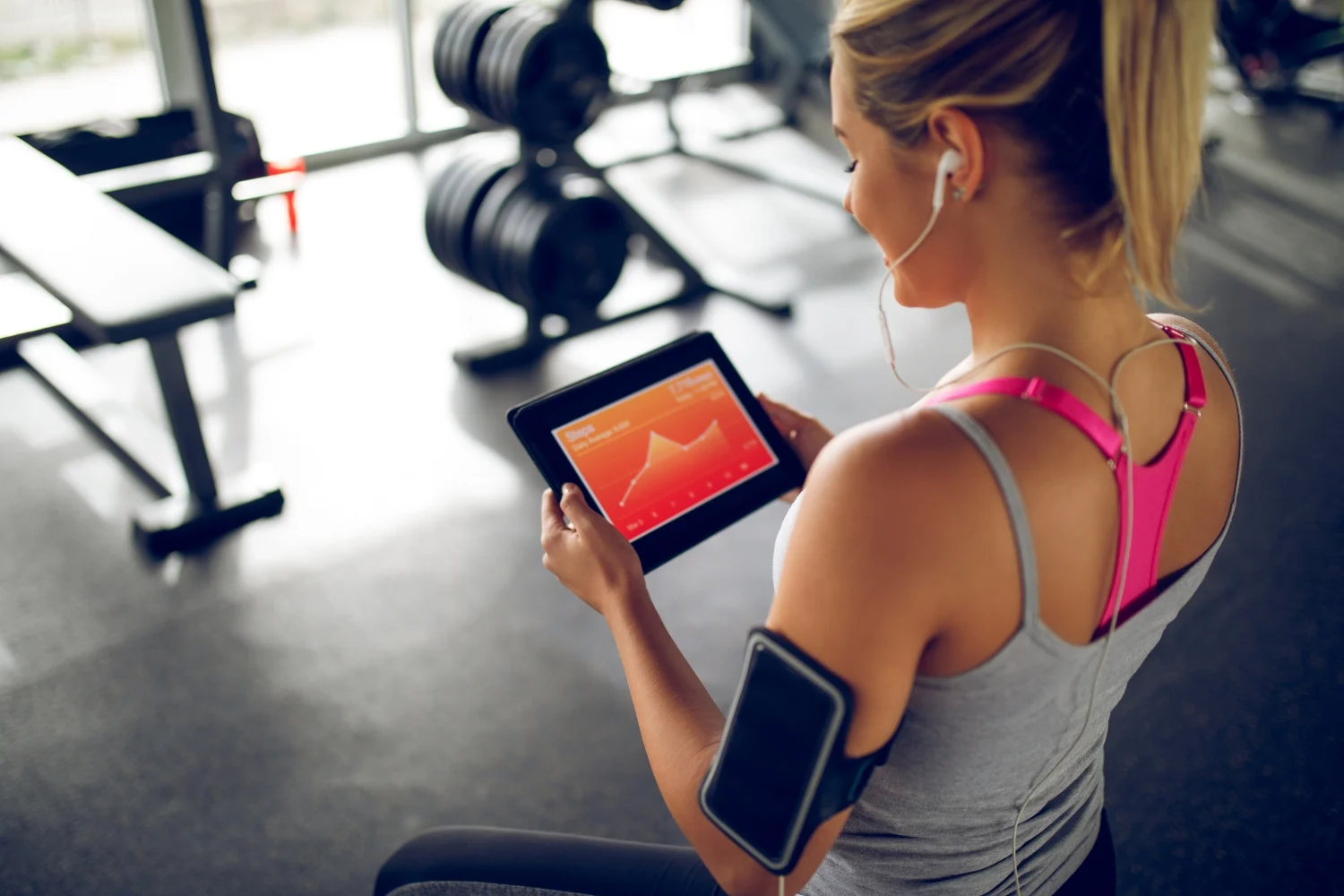
Technology has simplified fitness tracking. Apps and wearable devices allow real-time monitoring and long-term data collection:
- Smartwatches and Fitness Bands: Track heart rate, steps, calories burned, and sleep patterns.
- Workout Apps: Log exercises, sets, repetitions, and weights to monitor strength progression.
- Nutrition Trackers: Record daily caloric intake and macronutrient distribution to ensure dietary adherence.
Manual Tracking Techniques
While technology is helpful, traditional methods remain effective and sometimes more insightful:
- Fitness Journals: Logging workouts, diet, and subjective energy levels can provide a holistic view of progress.
- Progress Photos: Weekly or monthly photos provide visual evidence of changes in body composition.
- Measurement Logs: Recording waist, hip, chest, arm, and leg measurements helps track fat loss and muscle gain.
Establishing a Consistent Tracking Routine
Consistency is key when tracking fitness progress. Follow these steps to create a reliable routine:
- Set Specific Goals: Define measurable objectives, such as increasing squat weight by 20 pounds or losing 2% body fat in three months.
- Choose Your Metrics: Select the metrics most relevant to your goals. For example, endurance athletes may prioritize VO2 max and running pace.
- Schedule Regular Assessments: Weekly or bi-weekly measurements provide enough data to observe trends without becoming overwhelming.
- Analyze Trends, Not Daily Fluctuations: Focus on long-term patterns rather than minor day-to-day variations.
Advanced Tracking Strategies
For those looking to go beyond basic tracking, consider the following techniques:
Heart Rate Variability (HRV)
HRV measures the variation in time between heartbeats and reflects recovery status and stress levels. Tracking HRV can help you determine if your body is ready for high-intensity workouts or requires rest.
Performance Ratios
Comparing different performance metrics can reveal hidden progress. For example, tracking the ratio of bench press to body weight can illustrate relative strength gains.
Periodic Fitness Testing
Incorporate structured tests every few months to assess improvements in endurance, strength, and flexibility:
- Timed Runs or Cycles: Evaluate cardiovascular endurance.
- One-Rep Max Tests: Measure maximal strength safely and systematically.
- Mobility Assessments: Assess flexibility improvements in joints and functional movements.
Common Mistakes to Avoid
Even with the best intentions, tracking can be misleading if done incorrectly:
- Relying Solely on the Scale: Weight alone does not reflect body composition or fitness improvements.
- Inconsistent Tracking: Skipping measurements or workouts creates gaps in data and reduces reliability.
- Neglecting Recovery Metrics: Ignoring sleep and stress levels can misrepresent true progress.
- Comparing Yourself to Others: Fitness is highly individual, and progress should focus on personal benchmarks.
Integrating Motivation with Tracking
Tracking is not just about numbers—it can also enhance motivation and adherence:
- Celebrate small victories, such as lifting heavier weights or completing longer runs.
- Use visual tracking methods, such as charts or progress photos, to reinforce achievements.
- Set short-term milestones to maintain engagement and prevent discouragement.
How to Track Your Fitness Progress Effectively
Tracking your fitness progress effectively requires a combination of strategic planning, consistent monitoring, and thoughtful interpretation of data. Begin by identifying the most relevant metrics to your goals, use reliable tools, and assess progress regularly. Remember, tracking is not just about measuring success; it is about understanding your body, making informed adjustments, and maintaining motivation over time. By embracing a comprehensive and consistent approach, fitness tracking can transform your workouts into measurable, actionable progress and help you achieve long-term results.
Frequently Asked Questions
How often should I track my fitness progress?
It depends on your goals, but weekly or bi-weekly tracking of body measurements, workouts, and nutrition is ideal. Daily tracking can lead to stress and overemphasis on minor fluctuations.
Can I rely only on fitness apps to track progress?
Fitness apps are useful for logging workouts, steps, and calories, but combining them with body measurements, photos, and subjective assessments provides a more complete picture.
Should I track progress during weight loss, muscle gain, or both?
Both. Weight loss requires monitoring body composition to ensure fat is lost, not muscle. Muscle gain requires tracking strength, measurements, and nutrition.
Is progress linear or fluctuating?
Fitness progress is rarely linear. Plateaus and fluctuations are normal. Tracking helps identify long-term trends rather than focusing on short-term variations.
What is the best way to track cardiovascular improvement?
Monitor resting heart rate, heart rate recovery, endurance performance, and metrics like VO2 max over time for accurate insights.
Tracking your fitness journey is a dynamic process that combines quantitative data, qualitative observations, and thoughtful interpretation. By committing to consistent and evidence-backed tracking methods, you can enhance motivation, prevent stagnation, and maximize the effectiveness of your workouts. This approach ensures that your fitness journey is not only measurable but also meaningful and sustainable.